
Menu

Licensed SB 721 Inspection Experts Serving the San Francisco Bay Area & Sacramento

California Law SB 721 Law Information

Lerch Bates Forensics has 20+ years of forensic engineering experience in both the inspection of and repair design of elevated structures such as decks, balconies, walkways, and stairs in multi-family properties. We are equipped to help ensure your building meets the SB 721 Inspection Bill.

Our extensive expertise encompasses both structural engineering and forensic analysis of all types of load bearing structures (concrete, wood, etc.) as well as all of the architectural building envelope systems which comprise the waterproofing elements necessary to protect these structures.

Lerch Bates Forensics has not only inspected, but has designed and provided quality assurance on the reconstruction of thousands of elevated decks, balconies, and walkways across the western half of the United States since our inception in 1999.
California Law SB 721 Law Information

What Is the SB 721 Balcony Inspection Bill?

California Senate Bill No. 721, effective January 1, 2020, for common interest developments enacted Section 1954 Chapter 445 to the Civil Code requiring visual inspection of all exterior elevated elements (decks, balconies, walkways, stairs, and railings that are 6-feet or more above the ground) by a licensed structural engineer or architect.

This requirement applies specifically to common interest developments (homeowner association) buildings containing three or more dwellings. Therefore, single-family homes and duplexes would not be included in this requirement.

The initial inspections must be completed by January 1, 2026 and then no less than every six years thereafter in coordination with the reserve study inspection pursuant to
Section 1954 Chapter 445.

Why Are Inspections Required by SB 721?

According to the Consumer Product Safety Commission, structures such as balcony and deck failures have caused thousands of injuries per year (recorded by emergency room visits).

In California, the event that brought the issue to the forefront was the Berkeley Balcony Collapse in 2015. This tragedy led to six deaths and seven injuries, and prompted action by the city and state. The forensic investigations into the causes of the collapse revealed the inherent risks of wood-framed cantilevered balconies, which apply to other similar raised load-bearing structures.

In 2016, the state passed a law that directed the California Building Standards Commission (CBSC) to perform a study and give a report on findings and recommendations. The CBSC Exterior Elevated Elements (EEE) subcommittee’s report determined that there should be periodic post-occupancy inspections to prevent failures of existing EEEs.

SB 721 (2018) is the resulting legislation to require those inspections in order to prevent future collapses from occurring on existing buildings.

Who MUST Perform SB 721 Inspections?

A licensed structural engineer or architect.

What Does A SB 721 Inspection Include?

Inspections must include a statistically significant enough sample to provide a 95% confidence in the results of the inspection.

Each inspection must include:

  • A detailed inspection of load bearing components and associated waterproofing or building envelope systems including flashing, membranes, coatings, and sealants that protect the load bearing components from exposure to water
  • General safety condition
  • Recommendations for repair or replacement of the systems
  • Expected remaining useful life
  • A list of elements for which the association has maintenance or repair responsibility

Reports from the inspection are to be stamped or signed by the inspector and presented to the association board.

Other SB 721 Requirements:

If after any inspection an inspector advises that an exterior element poses an immediate threat to safety of the occupants, the report should be immediately provided to the association and to the local code enforcement agency within 15-days of completion of the report.

All written reports are to be maintained for two inspections cycles (18-years) as records of the association.

For the inspection of buildings for which the building permit application has been submitted on or after January 1, 2019 (i.e. newer design & construction), the inspection shall occur no later than six years following the issuance of certificate of occupancy.


Another California Code Inspection: San Francisco Chapter 5F

For all San Francisco buildings, five or more stories and constructed from 1926 through 1970, there is a Comprehensive Inspection Report is due by December 31, 2025. Lerch Bates can also perform this service for your structure, click here for more information.


Contact

This field is for validation purposes and should be left unchanged.
Your info
I'm Interested In(Required)
Max. file size: 50 MB.
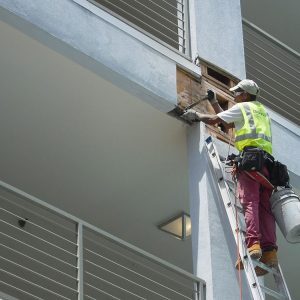
construction person working on balcony
House being built
Building under construction
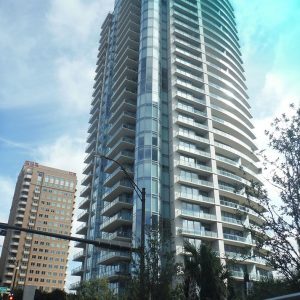
Glass high-rise downtown
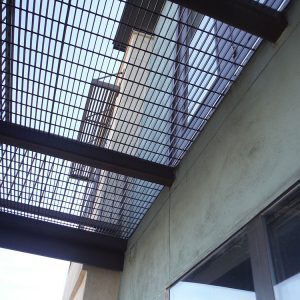
View From Underneath a Balcony
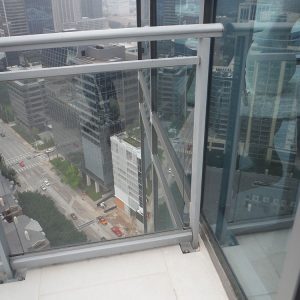
View Looking Down From Balcony in City
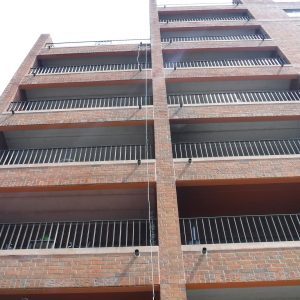
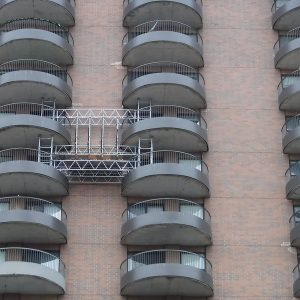
Photo of Brick Building with balconies
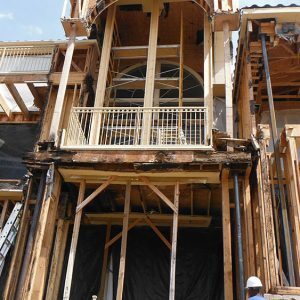
Building with balconies being worked on
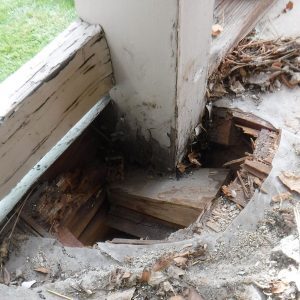
Damaged Deck with debris