We use cookies to ensure you receive the best experience on our website.
For more information, please click here.

We use cookies to ensure you receive the best experience on our website.
For more information, please click here.


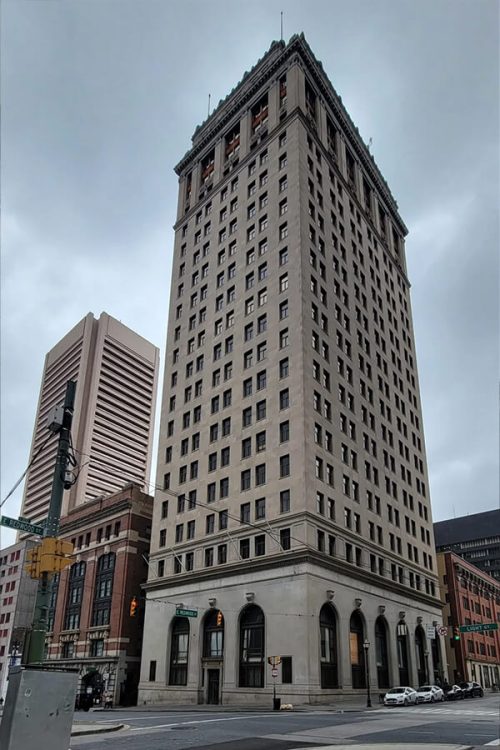
Historic buildings tell the story of a city, but preserving them requires expertise, innovation, and a commitment to long-term performance. At 7 E. Redwood Street in downtown Baltimore, Team LB helped protect a nearly century-old landmark while maintaining its architectural character for future generations.
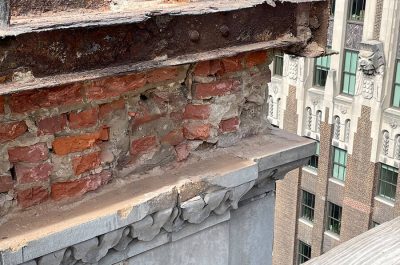
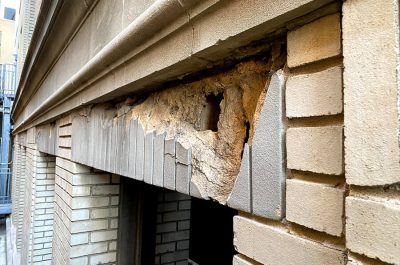
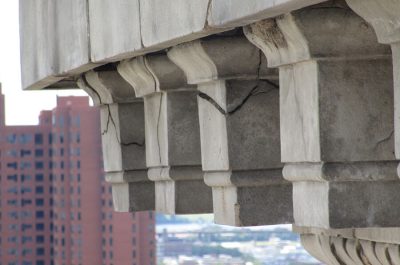
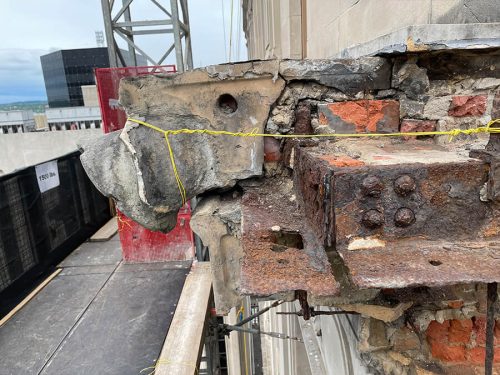
Built in 1924, the 20-story, 153,000-square-foot building occupies a prominent location at the intersection of East Redwood and Light Streets. Its distinctive façade, featuring terracotta, brick, and limestone, has long been a recognizable part of the Baltimore skyline. By 2020, however, the building was showing significant signs of deterioration. Cracking terracotta, failing mortar joints, loose masonry, and falling façade components created safety concerns for both occupants and pedestrians below.
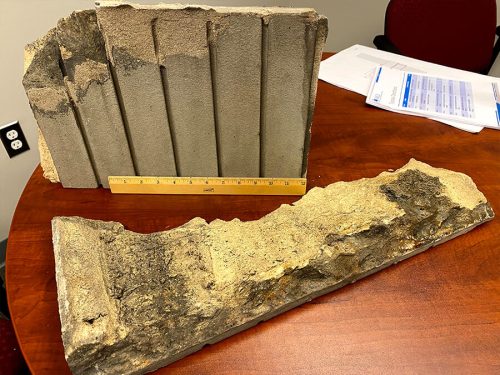
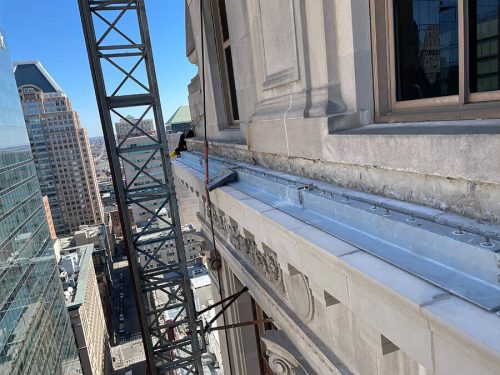
LB was engaged, alongside partners, Structural Group, to perform a comprehensive building envelope assessment and help repair the deteriorating terra cotta. Over the course of three days, our facade experts conducted hands-on inspections by rappelling down the building’s exterior and evaluating conditions across the entire façade. The investigation identified several unsafe conditions that required immediate stabilization and repair, particularly at the 19th-floor water table and cornice where deterioration was most severe. Our team also uncovered hidden issues behind the façade, including spalled terracotta, biological growth, and extensive cracking that previous repair efforts had failed to address.
From the outset, the project was focused on balancing life-safety concerns with historic preservation goals. Rather than pursuing a full replacement of the distressed terracotta elements, the project team sought a solution that would maintain the building’s historic appearance while improving its long-term durability. Working from swing stages at significant heights and navigating weather challenges, access limitations, and active city streets below, the team developed a repair strategy centered on preserving as much of the original architecture as possible.
As the project progressed, material availability challenges and pandemic-related delays required the team to adjust its approach. The solution came in the form of CastCotta™, an innovative material that closely matched the appearance of the original terracotta while offering improved strength and reduced weight. This allowed the team to maintain the building’s historic aesthetic while delivering a more resilient façade system.
Despite logistical hurdles, including limited staging space and the complexities of working on a nearly 100-year-old structure, the Lerch Bates team successfully restored and stabilized the façade. The project not only addressed critical safety concerns but also preserved an important piece of Baltimore’s architectural heritage.
The restoration of 7 E. Redwood Street demonstrates how thoughtful building envelope expertise can extend the life of historic structures while meeting the demands of modern building ownership. Through detailed investigation, creative problem-solving, and a preservation-focused approach, Lerch Bates helped ensure this iconic Baltimore landmark remains a fixture of the city skyline for years to come.
Learn more about our Building Science services here, and contact us today to get started.